Travel Vaccinations for Antarctica
Planning a trip to Antarctica requires careful preparation, and that includes protecting your health before you travel. While Antarctica is one of the most remote and pristine environments on Earth, travel vaccinations are still an important part of your journey. Due to the isolated conditions, limited medical facilities, and the nature of expedition travel, even minor illnesses can become serious if not properly prevented.
Although there are no country-specific vaccination requirements for Antarctica, travellers are strongly advised to ensure routine immunisations are up to date. Vaccines such as influenza and COVID-19 are particularly important, as viruses can spread quickly in close quarters on expedition ships. Depending on your itinerary, you may also need additional vaccinations if your journey includes stopovers in other countries.
This page provides essential guidance on Antarctica travel vaccinations, including recommended vaccines, health risks, and expert advice to help you prepare. By taking the right precautions before departure, you can focus on enjoying this once-in-a-lifetime adventure with confidence.
Antarctica
A visit to Antarctica is more than just a trip. It is a rare opportunity to experience one of the most remote and untouched places on Earth. For many travellers, it is a once-in-a-lifetime journey into a vast, icy wilderness that feels almost otherworldly. Here, towering glaciers, endless snowfields, and dramatic icebergs create a landscape unlike anything found elsewhere on the planet.
Far removed from modern life, Antarctica offers a sense of isolation and tranquillity that is increasingly rare. There are no cities, no roads, and no permanent residents, only temporary research stations and expedition vessels. Visitors quickly learn to embrace simplicity, trading everyday comforts for raw, natural beauty and a deeper connection to the environment.
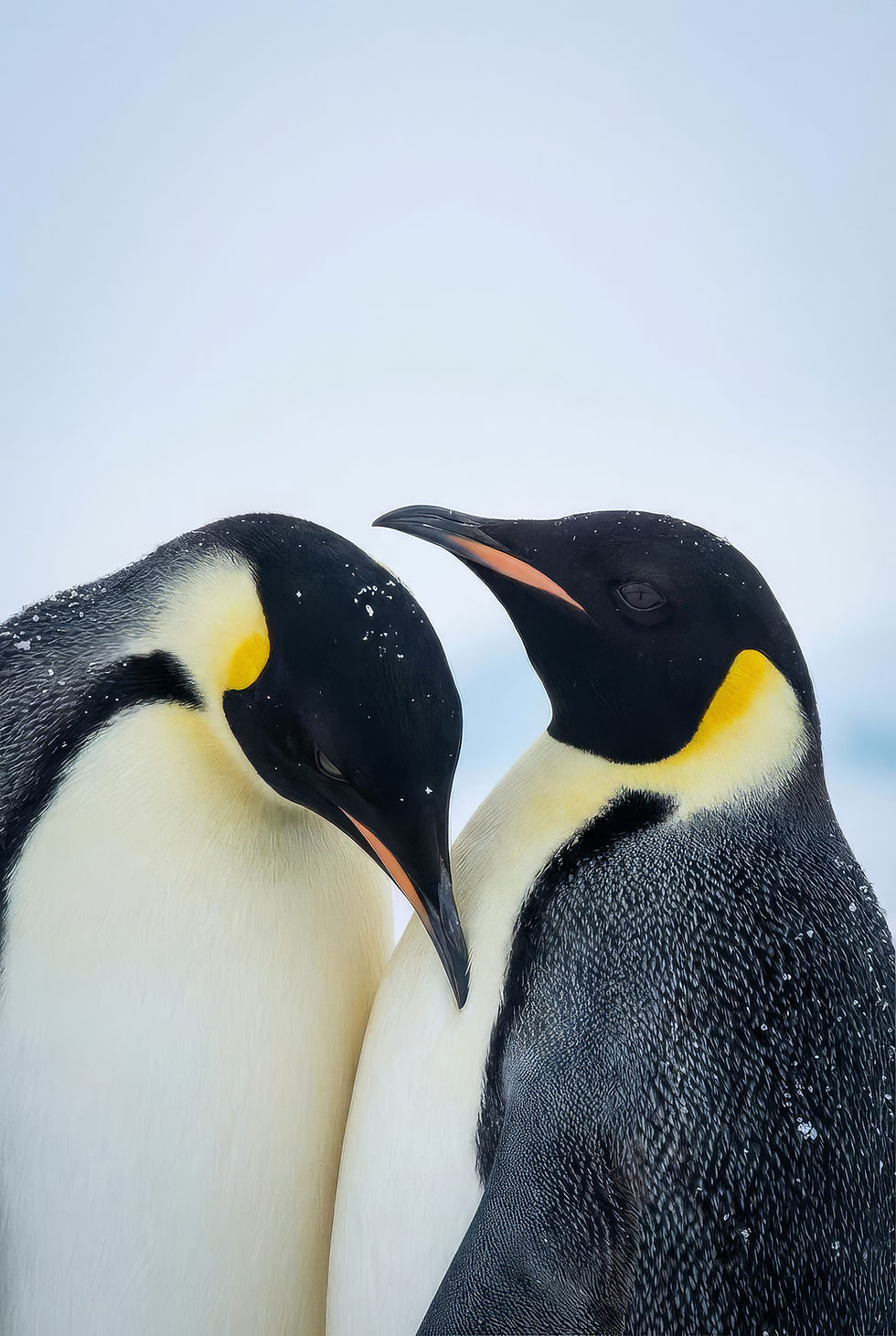
Wildlife encounters are another unforgettable part of the experience. From vast colonies of penguins to seals resting on drifting ice and whales surfacing in icy waters, the continent is teeming with life uniquely adapted to extreme conditions. The silence, broken only by cracking ice or distant calls of seabirds, adds to the surreal atmosphere.
Travelling here requires preparation and a spirit of adventure, but the reward is profound. It is a humbling and awe-inspiring journey to the very edge of the world, where nature reigns supreme and every moment feels extraordinary.

Travel Advice
Antarctica is the coldest, driest, and windiest place on Earth, with extreme weather conditions that present unique challenges for travellers. The most significant health risk is the intense cold, so it is essential to pack high-quality, insulated clothing and appropriate protective gear before your trip.
The brightness of the sun reflecting off the snow and ice can also be surprisingly strong, increasing the risk of eye damage and sunburn. Wearing UV-protective sunglasses or goggles, along with high-factor sunscreen, is strongly recommended.
Even when travelling as part of an organised expedition, it is important to carry sufficient food, water, and essential supplies. Conditions can change rapidly, and access to help may be limited. Travellers should also have reliable ways to communicate and call for assistance, such as satellite communication devices, in case of an emergency.
Destination Information
Home to the South Pole, Antarctica is the southernmost continent on Earth. It remains almost entirely uninhabited due to its extreme climate and remote location. Most people who spend time here are scientists working at research stations, although a growing number of travellers visit on organised expeditions.
Those who make the journey are rewarded with extraordinary scenery, from vast glaciers and towering icebergs to untouched polar landscapes. Antarctica is also rich in wildlife, with visitors often encountering penguin colonies, whales, seals, and a variety of seabirds in their natural habitat.